Retail Commission Jobs and Overtime: How the FLSA 7(i) Exemption Works
Retail commission jobs and overtime: how the FLSA 7(i) exemption works
Holiday season means long weeks on the sales floor. If you sell furniture, appliances, mattresses or other “big ticket” items on commission, you may hear that commission staff “don’t get overtime.” That is true only when a specific federal test is met. The rule is section 7(i) of the Fair Labor Standards Act, 29 U.S.C. 207, explained in 29 CFR 779.414.
- 7(i) applies only to employees of a retail or service establishment.
- The employee’s regular rate of pay must be more than one and one-half times the applicable federal minimum wage.
- More than half of the employee’s pay for a representative period of at least one month must be commissions on goods or services.
- If either test fails in a workweek or period, normal overtime rules apply.
- The Labor Department says 7(i) jobs are typically in "big ticket" departments such as furniture, bedding, floor coverings, major appliances, musical instruments and home custom orders.
The three conditions
Section 7(i) says an employer does not violate the overtime rule by working an employee of a retail or service establishment more than 40 hours in a week if:
- The regular rate is high enough. It must be “in excess of one and one-half times the minimum hourly rate” under section 206. At the federal minimum of $7.25, that means more than $10.875 an hour, figured over all hours worked that week.
- Commissions are more than half of pay. More than half of compensation for a “representative period (not less than one month)” must be commissions on goods or services.
- The employer is a retail or service establishment as the FLSA defines it.
Earnings from a bona fide commission rate count as commissions even if your draw or guarantee is higher than what the commissions would have paid.
Which jobs it is meant for
Under 29 CFR 779.414, Congress enacted 7(i) to cover employees “paid wholly or in greater part on the basis of commissions.” These are generally in “big ticket” departments where commission pay is traditional: furniture, bedding and home furnishings, floor covering, draperies, major appliances, musical instruments, radios and television, men’s clothing, women’s ready-to-wear, shoes, home insulation and home custom orders. The Labor Department says other claims “will be examined” to confirm the employees fit.
How to check your own pay
- Divide your total pay for a long holiday week by every hour you worked, including closing and inventory time. If the result is not above 1.5 times the minimum wage, 7(i) cannot apply that week.
- Look at a month or more of pay stubs. If base pay, hourly pay or spiffs outweigh commissions, the exemption fails.
- Salaried-plus-commission managers may fall under different exemptions. Hourly cashiers and stock staff usually get overtime.
- Many states have their own overtime and minimum-wage rules that can be stricter.
Related: FLSA overtime pay rules, holiday pay on Thanksgiving and Black Friday and why overtime cannot be averaged over two weeks. General information, not legal advice.
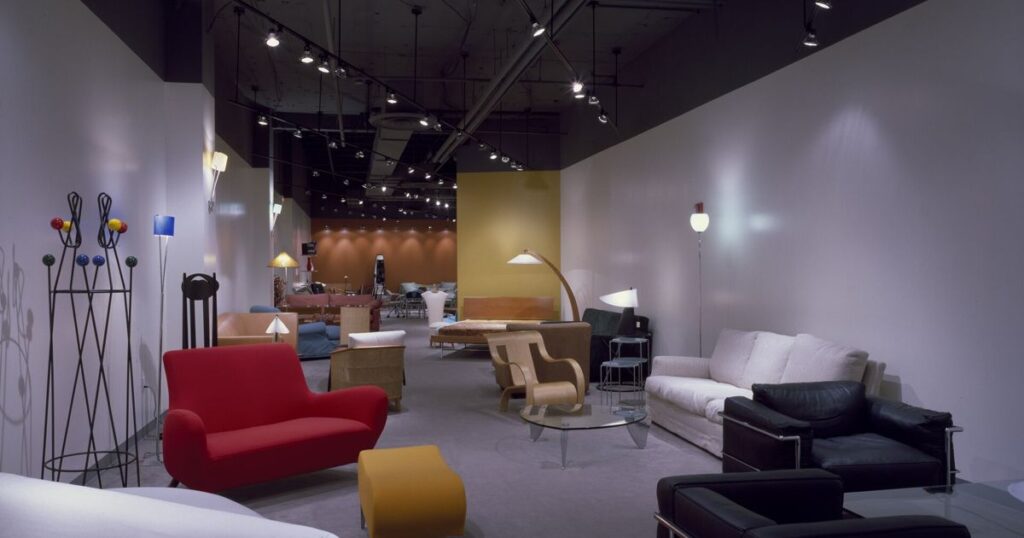
Header image: Photo: “Furniture store interior LCCN2011634378” by Carol M. Highsmith, PUBLIC DOMAIN (cropped).
Related guides

Seasonal Resort and Ski Jobs: The FLSA Amusement and Recreational Exemption Explained
FLSA section 13(a)(3) exempts some seasonal amusement or recreational establishments, organized camps and nonprofit educational conference centers from federal minimum wage and…
Is a Holiday Gift Card From Your Employer Taxable? What the IRS De Minimis Rule Says
The IRS says cash and cash-equivalent gifts from an employer, including gift cards redeemable for general merchandise, are never de minimis and…
Medical and Health Services Managers vs. Registered Nurses: Pay, Job Outlook and Training Compared (2025 BLS Data)
Medical and Health Services Managers vs. Registered Nurses: median pay ($123,860 vs. $97,550), the full pay range, job growth, openings, education and…