Seasonal Resort and Ski Jobs: The FLSA Amusement and Recreational Exemption Explained
Seasonal resort and ski jobs: the FLSA amusement and recreational exemption explained
Winter brings hiring for ski areas, holiday light shows, ice rinks and seasonal attractions. Some of these employers can legally skip federal overtime, and even federal minimum wage, under one section of the Fair Labor Standards Act: section 13(a)(3), codified at 29 U.S.C. 213. Here is how it works.
- 13(a)(3) covers employees of an amusement or recreational establishment, organized camp, or religious or non-profit educational conference center.
- The establishment must either operate no more than seven months in a calendar year, or have average receipts for any six months of the previous year that were no more than 33⅓% of its average receipts for the other six months.
- If it qualifies, the exemption covers both federal minimum wage (section 206) and overtime (section 207).
- It does not apply to private contractors running services in national parks, national forests or National Wildlife Refuge System land, except that ski-related contractors keep the minimum-wage exemption.
- State law may still require minimum wage and overtime.
Who it covers
The text applies to “any employee employed by an establishment which is an amusement or recreational establishment, organized camp, or religious or non-profit educational conference center.” The test is about the establishment, not your job title. Lift operators, rental-shop staff and ticket sellers at a qualifying resort may all be covered.
The two seasonal tests
The establishment must meet one of two tests:
- (A) Seven-month test: it “does not operate for more than seven months in any calendar year.”
- (B) Receipts test: in the preceding calendar year, its average receipts for any six months “were not more than 33⅓ per centum” of its average receipts for the other six months. In plain terms, the off-season brings in no more than a third of what the busy season does.
A ski area open from December through March meets the seven-month test. A resort open all year might still qualify if its summer receipts are very low compared with winter.
The federal-land exception
The exemption from minimum wage and overtime does not apply to employees of a private company providing services or facilities in a national park, national forest or National Wildlife Refuge System land under a contract with the Secretary of the Interior or the Secretary of Agriculture. There is a carve-out: a private company providing services “directly related to skiing” on that land keeps the minimum-wage exemption, but not the overtime exemption.
What to ask before you accept a seasonal job
- Is the job hourly, and does the employer pay overtime after 40 hours? Get it in writing.
- Does the resort operate on federal land under a concession contract?
- What does your state require? Many states set their own minimum wage and overtime rules.
- Are there housing, meal or pass deductions, and how do they affect your take-home pay?
Related: holiday seasonal jobs in 2026, FLSA overtime pay rules and holiday pay rules explained. General information, not legal advice.
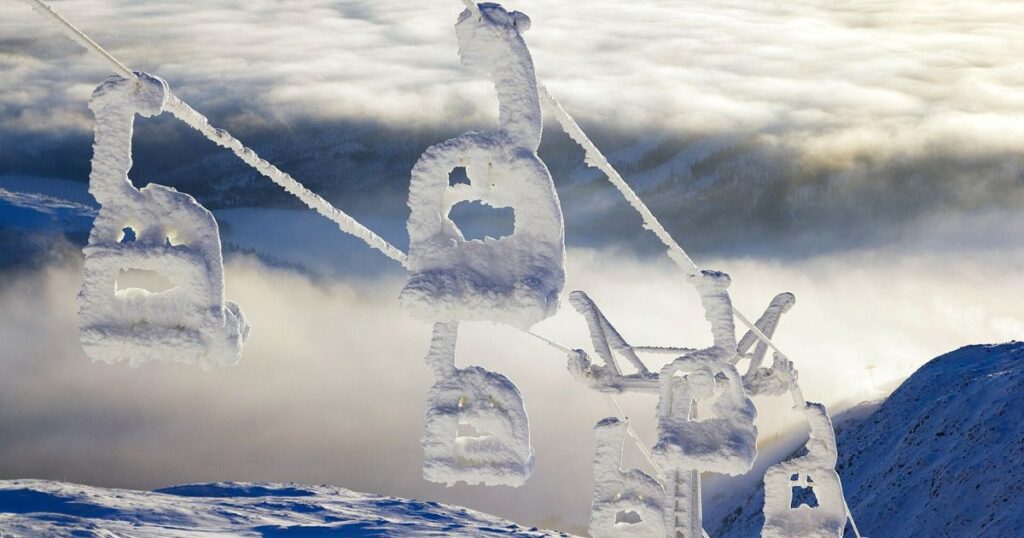
Header image: Photo: “Snowy Åreskutan Ski lift” by Anders Carlsson, CC BY 2.0 (cropped).
Related guides
Is a Holiday Gift Card From Your Employer Taxable? What the IRS De Minimis Rule Says
The IRS says cash and cash-equivalent gifts from an employer, including gift cards redeemable for general merchandise, are never de minimis and…

Retail Commission Jobs and Overtime: How the FLSA 7(i) Exemption Works
Under FLSA section 7(i), some retail and service employees paid mostly by commission can be exempt from overtime, but only if their…
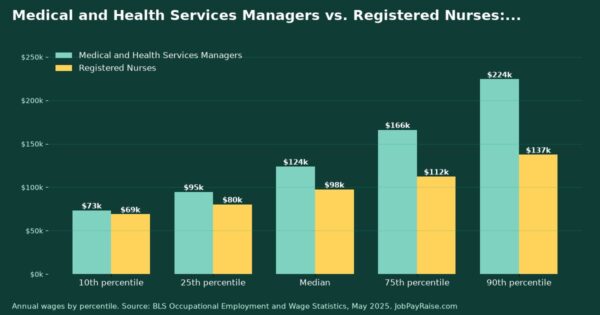
Medical and Health Services Managers vs. Registered Nurses: Pay, Job Outlook and Training Compared (2025 BLS Data)
Medical and Health Services Managers vs. Registered Nurses: median pay ($123,860 vs. $97,550), the full pay range, job growth, openings, education and…